Category

GenAI data-leak prevention & privacy: 10 tools compared

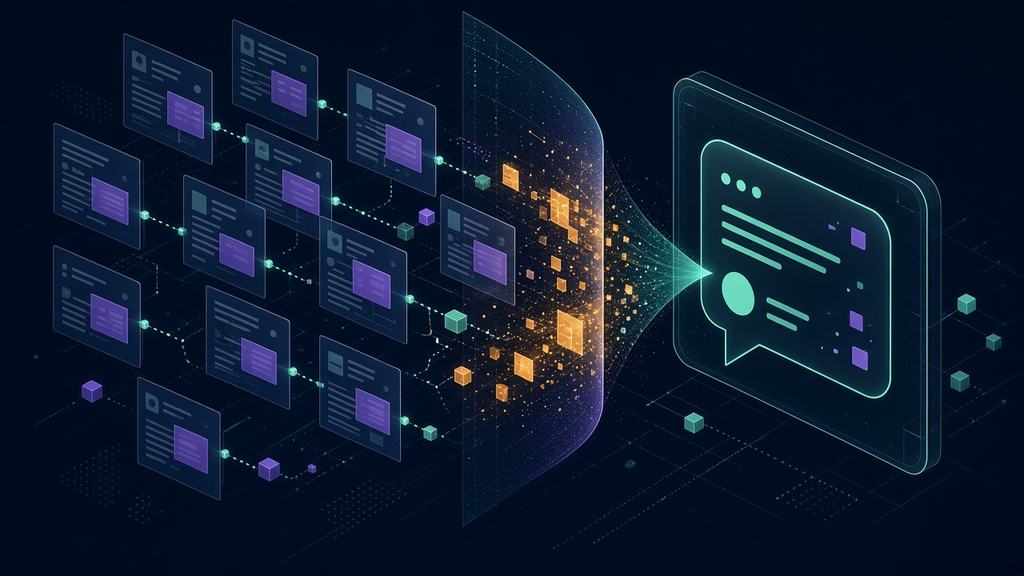
GenAI data-leak prevention tools detect, redact or tokenize sensitive data at the browser, in your application or in the data layer, before it reaches an AI tool or model. A customer record sent in a prompt can resurface in a later model response, so it has to be caught before it is sent.

  • 10 tools
  • Last reviewed

Part of layer 5 in our AI security layers: Data protection. 17 tools from other categories also cover this layer.

Executive summary

What it is
Detection, redaction, tokenization and browser controls that keep personal data, secrets and confidential records out of prompts, file uploads, retrieved documents and training data, or replace them before a model sees them.
The risk
OWASP warns that sensitive data users enter may later appear in model output. Employees pasting records into public AI apps and applications sending customer data to a model both put that data outside your control.
What to buy or do
Map where sensitive data reaches AI: the browser, your application and your data stores. Use a browser or network control for employee use, add redaction or tokenization in your application's request path, and tune detectors on your own data.

Quick picks

The highest Coverage Scores in this category. The score measures what each vendor documents publicly; it is not an endorsement and it does not measure detection quality.

Protecto

Protecto

Commercial
  • SaaS
  • On-prem
  • API

Detects sensitive data and tokenizes or masks it before it reaches LLMs, RAG pipelines and agents.

Best for: Teams that want an API that tokenizes or masks sensitive data before it reaches LLMs and RAG pipelines and restores it afterwards

Coverage Score 70 out of 100
  • LLM02 Sensitive Information Disclosure
  • LLM08 Vector and Embedding Weaknesses

Reviewed

Presidio

Data Privacy Stack

Open sourceMIT
  • Library
  • Self-hosted

Finds and masks personal data in text, images and structured data, and you run it yourself.

Best for: Engineering teams that want a free, self-hosted library to detect and anonymize PII before text reaches a model or a log

Coverage Score 67 out of 100
  • LLM02 Sensitive Information Disclosure

Reviewed

Commercial Freemium Now Limina
  • Self-hosted
  • On-prem
  • API

Detects PII, PHI and PCI in text, files, images and audio in a container you run in your own environment.

Best for: Teams that need PII, PHI and PCI de-identification of text, files and audio that runs inside their own VPC or on-premises

Coverage Score 64 out of 100
  • LLM02 Sensitive Information Disclosure

Reviewed

All 10 data protection tools

Sorted by Coverage Score within the category. Tools cross-listed from another category carry an "Also covers" label.

Also covers layer
Type
Deployment
OWASP risk
Pricing model

Showing 10 of 10 tools

GenAI data-leak prevention & privacy: 10 tools compared
Tool Type Deployment Pricing model OWASP risks Coverage Score Last reviewed
ProtectoProtecto Commercial
  • SaaS
  • On-prem
  • API
Paid
  • LLM02 Sensitive Information Disclosure
  • LLM08 Vector and Embedding Weaknesses
70 out of 100
PresidioData Privacy Stack Open sourceMIT
  • Library
  • Self-hosted
Free
  • LLM02 Sensitive Information Disclosure
67 out of 100
LiminaLimina Now Limina Commercial
  • Self-hosted
  • On-prem
  • API
Freemium
  • LLM02 Sensitive Information Disclosure
64 out of 100
Tonic TextualTonic.ai Commercial
  • SaaS
  • On-prem
  • API
  • Library
Usage-based
  • LLM02 Sensitive Information Disclosure
60 out of 100
HarmonicHarmonic Security Commercial
  • Browser extension
Not published
  • LLM02 Sensitive Information Disclosure
  • LLM06 Excessive Agency
52 out of 100
Google Cloud Sensitive Data ProtectionGoogle Cloud Renamed Commercial
  • Cloud-native
  • API
Usage-based
  • LLM02 Sensitive Information Disclosure
51 out of 100
SkyflowSkyflow Commercial
  • SaaS
  • API
Not published
  • LLM02 Sensitive Information Disclosure
50 out of 100
Purview DSPM for AIMicrosoft Renamed Commercial
  • SaaS
  • Browser extension
Usage-based
  • LLM02 Sensitive Information Disclosure
49 out of 100
NightfallNightfall Commercial
  • SaaS
  • API
Contact sales
  • LLM02 Sensitive Information Disclosure
  • LLM06 Excessive Agency
45 out of 100
WitnessAIWitnessAI Commercial
  • SaaS
Not published
  • LLM02 Sensitive Information Disclosure
  • LLM06 Excessive Agency
36 out of 100

OWASP LLM risks we weigh in this category

Risk coverage is 25 of 100 Coverage Score points. A tool earns them only for risks mapped to a capability the sources document.

How to choose

Choose by control point. Sensitive data reaches AI through people (the browser and file uploads), through your application (prompts, retrieved documents and logs) and through the data estate behind it. Each tool here works at one or more of those points.

Setup

  • Identify who sends the data. Employees pasting text into public chatbots call for browser or network controls. Your own application sending customer records to a model calls for redaction or tokenization in the request path.
  • Decide whether to redact or tokenize. Redaction removes a value; tokenization replaces it with a token. Google's Sensitive Data Protection documentation describes one-way tokens and two-way tokens that can be reversed with the key, so reversible methods keep answers useful but need key management.
  • Check the detectors: built-in data types, custom recognizers for your own identifiers, and whether files and images are covered as well as text. Each tool page lists what its sources state.
  • Choose the risks. We weigh LLM02, LLM07 and LLM08 in this category.

Integration

  • Browser and network controls often come from a platform you already own. Microsoft's Purview DLP documentation, for example, lists OpenAI ChatGPT, Google Gemini, DeepSeek and Microsoft Copilot among the AI apps its inline web traffic policies can cover.
  • An open-source detector keeps data in your environment and leaves tuning and operation to you. A hosted service does the work but processes your data.
  • Finding which AI apps people use is a discovery and posture job. Microsoft's shadow AI guidance treats discovering AI apps, blocking unsanctioned ones and blocking sensitive data to sanctioned ones as separate steps.

Limits

Detection can miss values and flag harmless text. Presidio, for example, says there is no guarantee it will find all sensitive information, so tune detectors on your own data. OWASP's guidance for LLM02 sensitive information disclosure also lists least-privilege access, keeping user data out of training and clear guidance on what users should not enter, and no detector replaces those.

Data protection FAQ

How does sensitive data leak into LLMs?

Through prompts people type or paste, files they upload, documents retrieved to ground answers, and training or fine-tuning data. OWASP's LLM02 page also warns that sensitive data a user enters may later appear in model output.

What is the difference between redaction and tokenization?

Redaction removes or masks a value. Tokenization replaces it with a token. Google's Sensitive Data Protection documentation describes pseudonymization as replacing values with cryptographically generated tokens: one-way tokens cannot be reversed, and two-way tokens can be reversed with the key.

How is GenAI DLP different from traditional DLP?

Traditional DLP watches email, files and devices. GenAI DLP adds the AI channel: prompts, uploads and responses. Microsoft's Purview DLP documentation, for example, lists OpenAI ChatGPT and Google Gemini among the AI apps its inline web traffic policies can cover.

Is an open-source PII detector enough on its own?

It can handle detection and anonymization, but you still operate it, tune it and decide what happens to each match. Presidio, for example, describes itself as identification and anonymization modules for private entities in text and images, and says it cannot guarantee it finds all sensitive information.

Can these tools find shadow AI use?

Some browser and network controls can discover which AI apps people use. Microsoft's shadow AI guidance treats discovering apps, blocking unsanctioned ones and blocking sensitive data to sanctioned ones as separate steps. Check each tool's documented discovery scope.

Which OWASP risks do data protection tools cover?

In our scoring they are weighed on LLM02 sensitive information disclosure, LLM07 system prompt leakage and LLM08 vector and embedding weaknesses. The mapping on each tool page is our analysis and cites a documented capability.
Sources & last reviewed

Last reviewed . We compile from the vendors' own public pages and repositories and we do not run the products. Source links open in a new tab. Found a mistake? Report a correction.

Protecto (4 sources)
Presidio (3 sources)
Limina (Private AI) (4 sources)
Tonic Textual (3 sources)
Harmonic Security (3 sources)
Google Cloud Sensitive Data Protection (4 sources)
Skyflow (4 sources)
Microsoft Purview Data Security Posture Management (DSPM) for AI (4 sources)
Nightfall AI (3 sources)
WitnessAI (2 sources)